Apparel Decoration in 2026: Techniques Brands Are Betting On
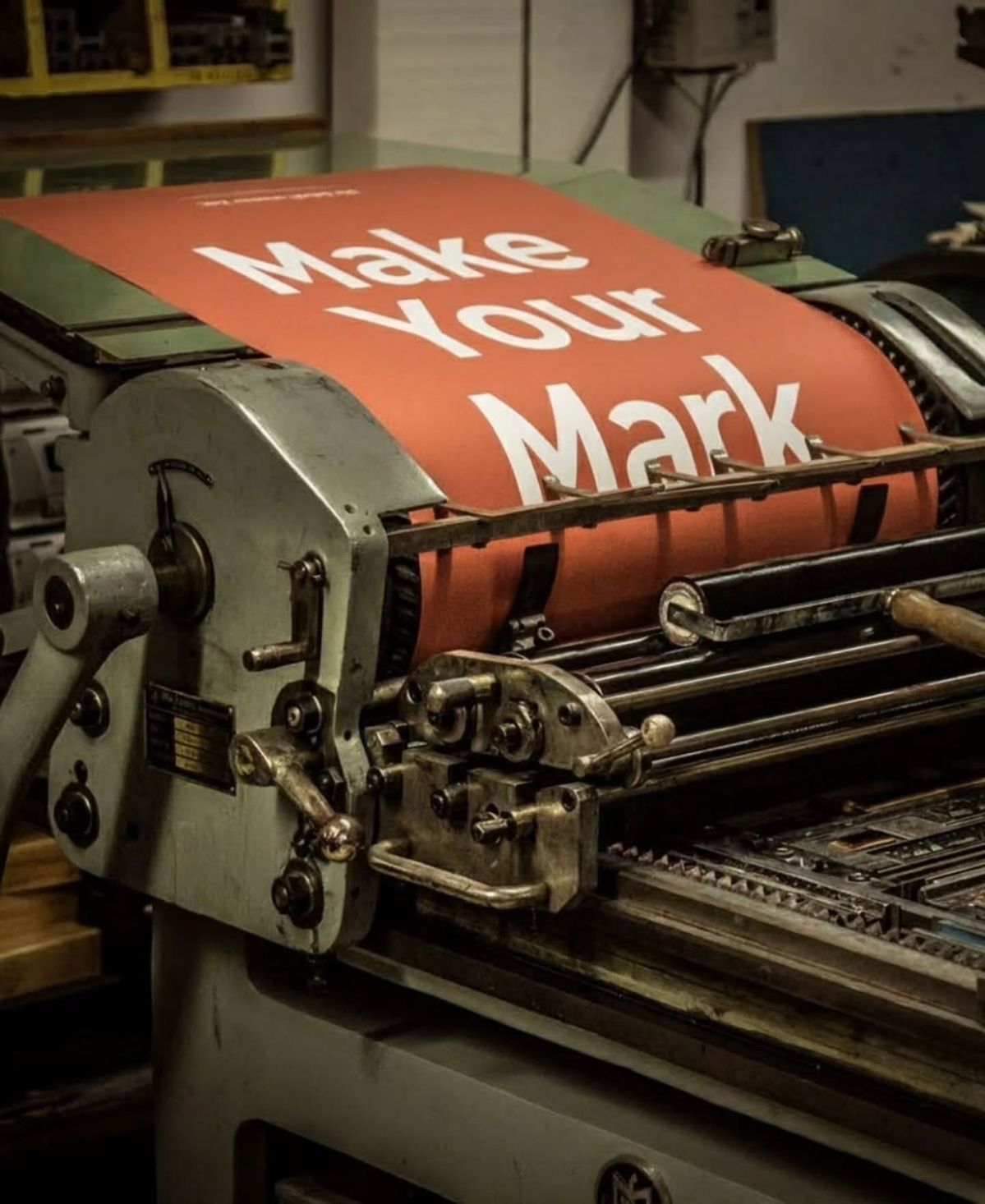
Apparel decoration moves in slow, physical years — new techniques need machines, materials, and operator skill before they reach your local shop. That lag makes trends unusually predictable: what premium brands run this season, uniform programs and merch lines adopt next. Here’s what we’re seeing across our own production queue in 2026, and what each trend means if you’re planning a line, a merch drop, or a shop’s service menu.
1. Mixed-Media Decoration Is the New Default
The single biggest shift: one garment, multiple techniques. DTF prints layered with embroidered accents. Appliqué backgrounds with fine stitched detail. Puff lettering beside flat text on the same cap.
Why it’s winning: each technique covers the other’s weakness — print handles gradients and detail cheaply, thread adds texture and perceived value exactly where hands and eyes land. Brands get a premium result at a blended cost. If you’re commissioning artwork, ask for masters prepared for both thread and print from day one (our vector guide explains why one master file feeds every method).
2. Texture Maximalism: Puff, Chenille, and Layered Appliqué
Flat is fading. The premium headwear and streetwear market keeps pushing dimension:
- 3D puff remains the headline cap technique — with tighter, cleaner execution expected (our puff design rules cover what clean means)
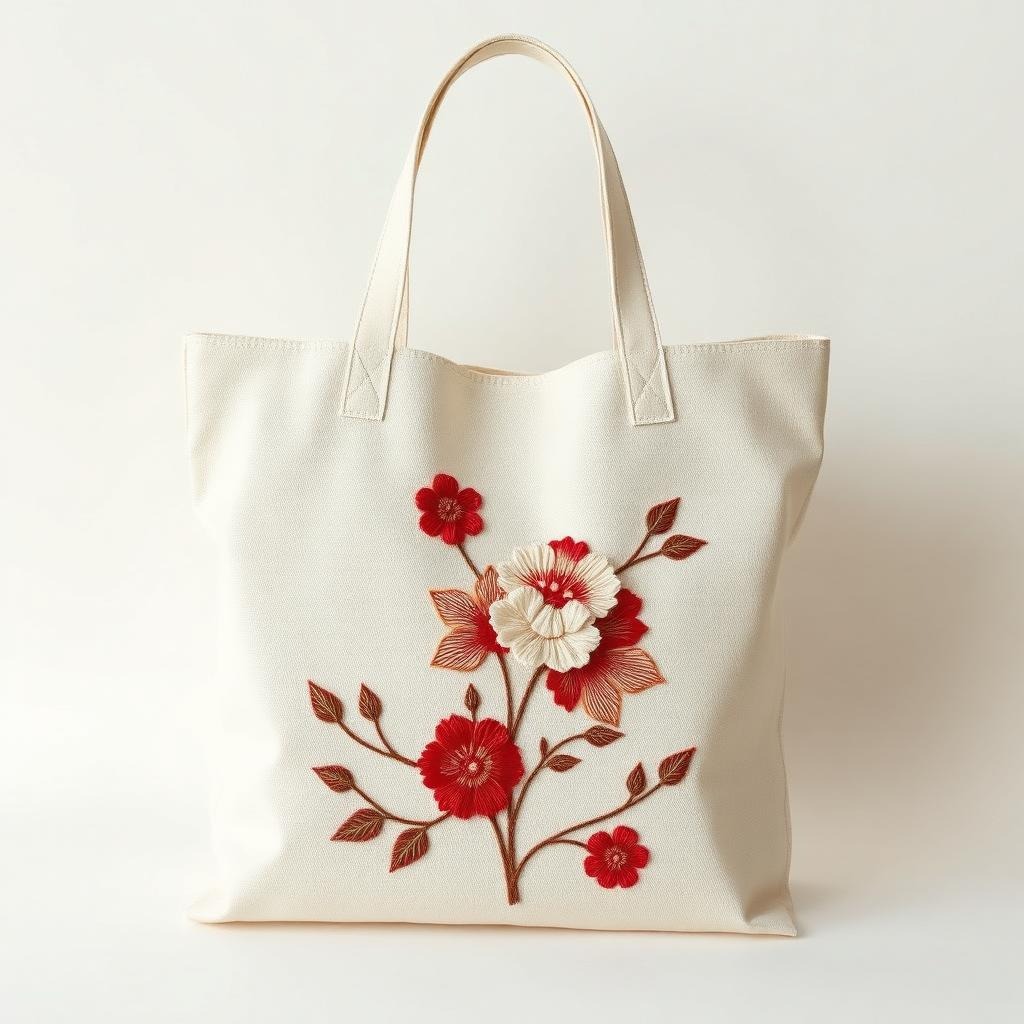
- Chenille-look patches have escaped varsity jackets onto hoodies and totes
- Layered appliqué — twill on felt on fleece — delivers depth that photographs beautifully for e-commerce
For buyers, the practical note: texture techniques reward bold, simple shapes. Brands are simplifying marks specifically to unlock these finishes.
3. Tone-on-Tone and “Quiet Branding”
The corporate side is moving the opposite direction from streetwear — and that’s not a contradiction, it’s segmentation. Black-on-black embroidery, cream-on-cream, logo as texture rather than billboard. Uniform programs love it because it flatters every body and reads executive rather than promotional. Digitizing note: tone-on-tone lives or dies on stitch direction and density, since contrast comes entirely from light and shadow — it’s a technique that punishes cheap files.
4. DTF Grows Up: From Novelty to Core Service
DTF printing has settled into its mature role: the volume workhorse for multicolor artwork on any fabric. In 2026 the growth is in quality discipline — halftone fades, careful transparency prep, wash-durable fine detail — as buyers stop forgiving fuzzy transfers. (Our pre-press checklist is the standard we hold every file to.) Expect hybrid DTF-plus-embroidery pieces to be the season’s signature merch look.
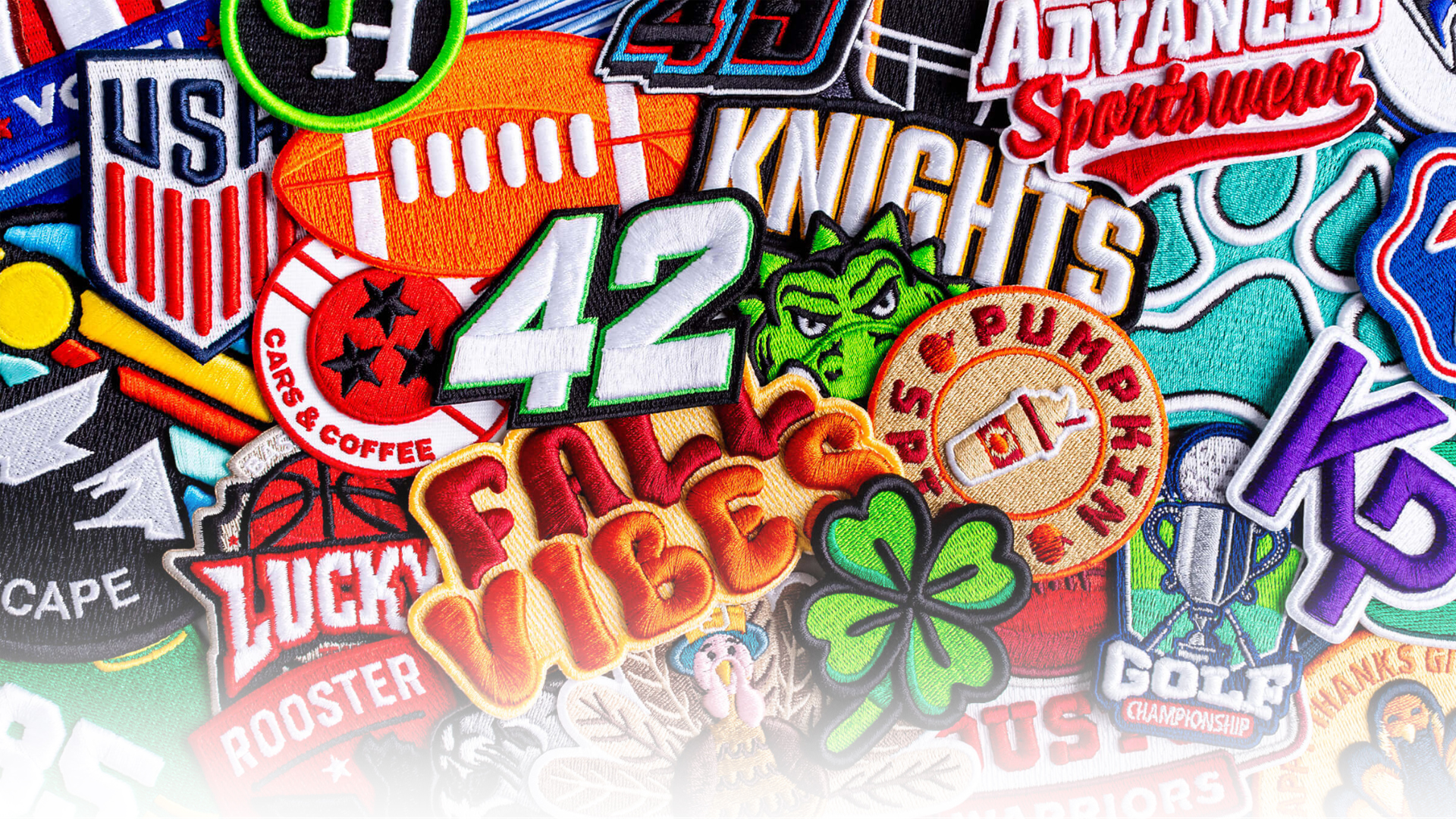
5. Patches as Products, Not Just Decoration
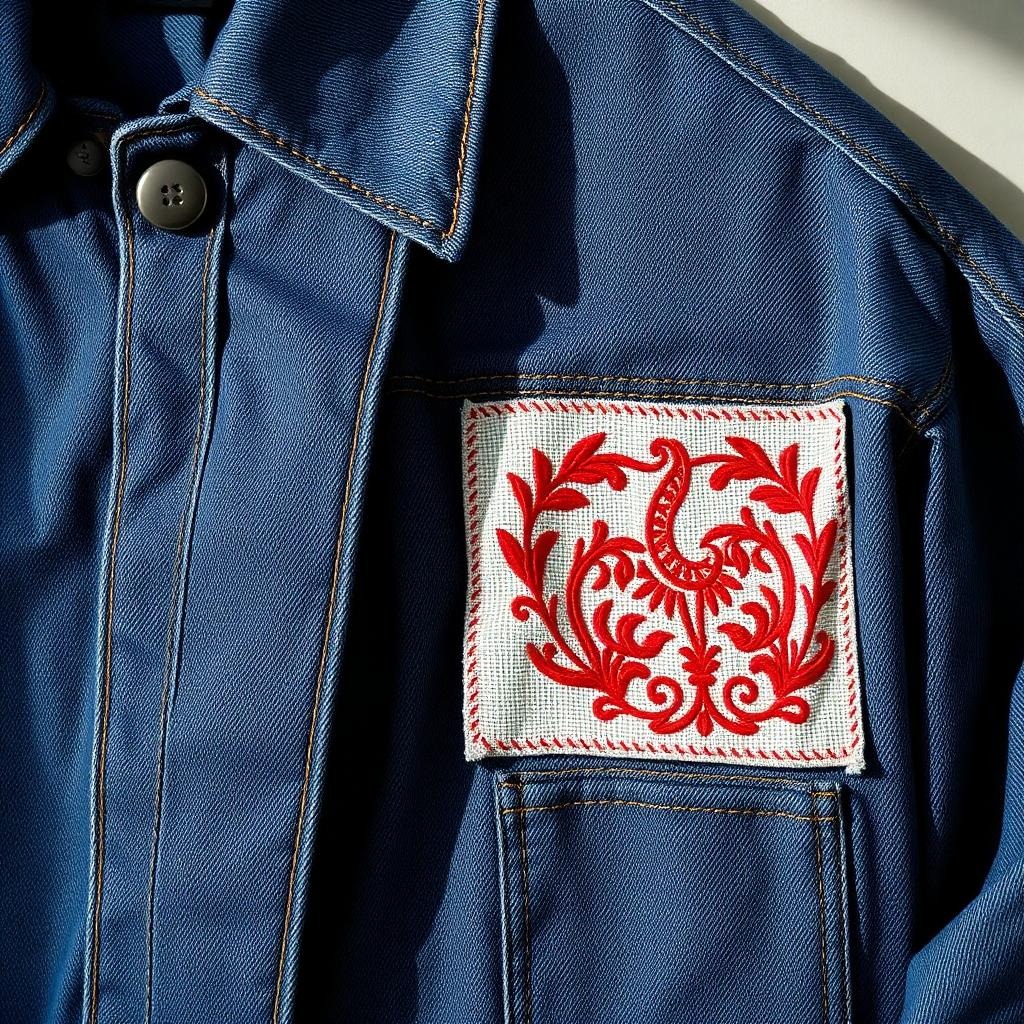
Patch culture keeps expanding: collectible drops, event-limited designs, mix-and-match hook-and-loop systems on bags and jackets. For brands, patches offer decoration’s best economics — one embroidered asset, applied across unlimited garment styles without re-digitizing. Backing choice does the strategic work (our comparison covers the options).
6. Durability as a Sustainability Claim
The greenest garment is the one that stays in service. Procurement teams increasingly ask about decoration longevity — wash-cycle counts, thread quality, edge durability — because replacing branded garments early is both a cost and an ESG line item. Machine-tested embroidery and properly prepped transfers aren’t just quality flexes anymore; they’re part of the sustainability answer.
Planning a 2026 program? The safe portfolio: tone-on-tone embroidery for corporate wear, DTF for multicolor volume, puff or appliqué for headline pieces, and a patch system for flexibility. One vector master feeds all of it.
7. Personalization at Production Scale
Names, numbers, and unit-of-one customization used to be embroidery’s least profitable work. Software-driven workflows have flipped that: template-based digitizing (a locked logo plus a variable text zone with pre-tuned lettering) lets shops run personalized batches nearly as fast as identical ones. For brands, the takeaway is to design for the variable from the start — commissioning the master file with a defined personalization zone rather than bolting names on later. Corporate programs, team sports, and premium gifting are all pulling this direction.
8. The Patch-Platform Garment
An emerging product pattern worth watching: garments and bags designed as platforms — sewn-in loop panels ready to receive interchangeable patches. Brands ship the base product plus a rotating patch catalog; customers restyle without rebuying. It’s decoration as a recurring revenue model, and the production requirements are pleasantly boring: quality loop fields, a consistent patch size grammar, and hook-backed patches produced to spec (backing details here).
How to Pilot a New Technique Without Betting the Line
Trends reward early movers and punish careless ones. The low-risk adoption path we recommend to clients:
- Start with one hero SKU — a cap or hoodie where the new technique is the story, not a line-wide rollout
- Sample on the actual garment, not a swatch; drape, seams, and wash behavior are where techniques fail
- Get the file built for the technique — puff, appliqué, and tone-on-tone each need purpose-digitized files, not converted flat designs
- Wash-test five pieces through ten cycles before committing inventory
- Track sell-through against your flat-decorated baseline — texture premiums are real but not universal across audiences
One sampled hero piece costs a fraction of one mistaken production run — the same asymmetry that makes machine-tested files the cheapest insurance in decoration.
Frequently Asked Questions
Which trend gives the most impact per dollar?
Tone-on-tone embroidery — it costs the same as standard embroidery and reads dramatically more premium. Second: adding one puff element to an otherwise flat cap design.
Are these trends relevant for small businesses?
Especially for them. Techniques like tone-on-tone and patches let small brands look established without minimum-order economics working against them.
How do I future-proof my artwork?
Commission a clean vector master plus an embroidery-simplified variant of your logo. Every technique on this page — and whatever comes next — starts from those two assets.
Can Stitch To Art produce all of these?
Yes — digitizing (flat, puff, appliqué), patches, DTF-ready artwork, and the vector masters underneath. Tell us what you’re planning and we’ll recommend the right mix.
What This Means for Each Player in the Chain
If you run an embroidery or print shop
The mixed-media trend is a menu expansion opportunity: shops offering embroidery and DTF under one roof capture jobs that pure-play competitors quote in halves. The technique investments with the fastest payback this year are puff capability (foam, needles, and properly digitized files — not new machines) and a disciplined DTF prep standard. Both are service-quality plays, not capital plays.
If you manage a brand or merch program
Audit your logo asset kit before the season, not during it. The programs moving fastest in 2026 hold three assets ready: a clean vector master, an embroidery-simplified variant, and a defined personalization zone. With those, every trend on this page is a purchase order away; without them, every new garment idea starts with a two-week artwork scramble.
If you’re a designer serving apparel clients
Design for the medium’s physics up front: minimum stroke widths for thread, halftone strategies for transfer fades, bold shapes where texture techniques will land. Clients increasingly notice the difference between designers who hand off print-pretty files and those who hand off production-ready ones — the latter get the retainers.
A word on what doesn’t change
Trends rotate; the fundamentals under this entire industry don’t. Files that run clean, artwork with honest source quality, samples before production runs, and suppliers who test what they ship — every technique in this article sits on those four legs. Chase the new looks, absolutely. Just build them on the boring disciplines, because the brands that skip the fundamentals produce this year’s trends at last decade’s quality.
Conclusion
2026’s direction is clear: dimension and mixing on the expressive end, quiet tone-on-tone on the corporate end, DTF handling volume in between — and durability as the quality bar under all of it. Whichever end of that spectrum your brand lives on, the entry ticket is the same: clean master artwork and production files built by people who test them. Start with a free quote, or browse what we’ve been producing this season.
The newsletter
Stay Updated With
Industry Insights.
Get the latest embroidery tips, vector design techniques, production advice, and business resources delivered directly to your inbox. One useful email — no spam, ever.
Unsubscribe anytime. We respect your inbox and your data.