Appliqué vs. Full Stitch: Cutting Stitch Counts Without Cutting Quality
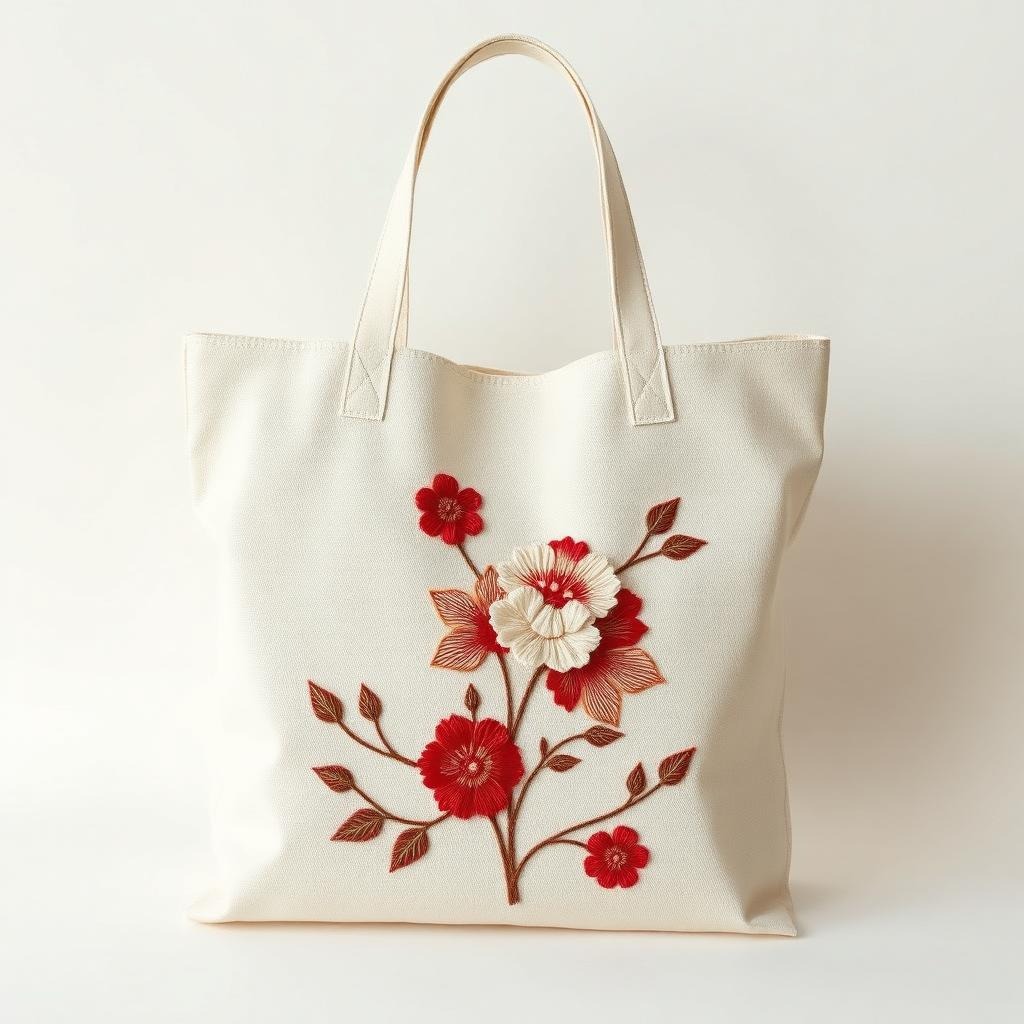
Every large embroidery design forces a choice most buyers never hear about: fill the whole area with thread, or fill it with fabric and stitch only the edges and details. That second option — appliqué — can cut stitch counts by half or more, slash run times, soften the garment, and add a tactile layer look that full embroidery can’t match. Here’s when appliqué wins, when it doesn’t, and how the economics actually shake out.
What Appliqué Is (and Isn’t)
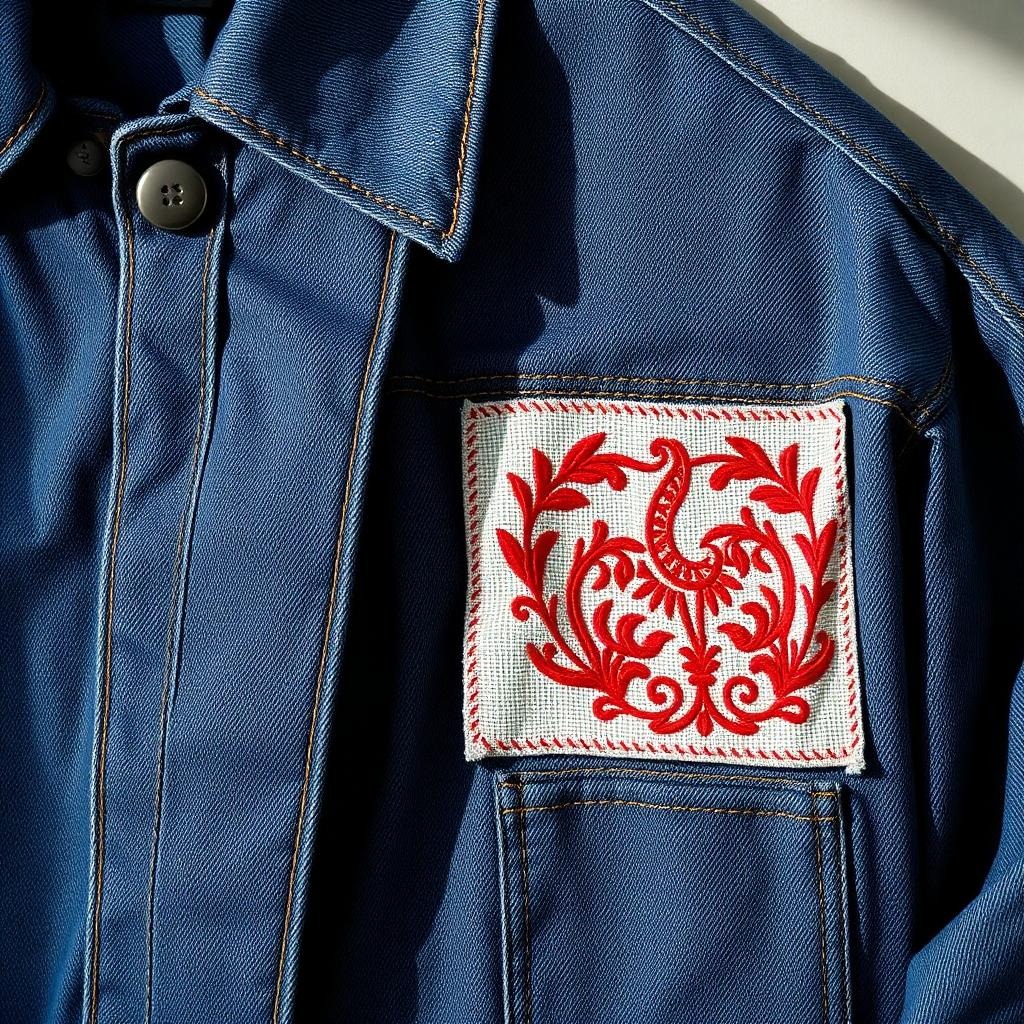
In machine appliqué, a piece of fabric — twill, felt, fleece — is placed onto the garment and locked down in three stitched passes:
- Placement line: a run stitch marks exactly where the fabric goes
- Tack-down: a light zig-zag secures the fabric; excess is trimmed (or the piece is pre-cut by laser to exact shape)
- Cover stitch: a satin border seals the raw edge and defines the shape
Details, lettering, and accents are then embroidered on top as normal. The fabric does the coverage; the thread does the definition. It isn’t a lesser technique — varsity jackets, the most premium garment in American sportswear, have been appliqué for a century.
The Economics: Why Stitch Count Rules Everything
Machine time scales with stitch count. A 10″ chest design filled entirely with tatami stitching might run 80,000–100,000 stitches — 45+ minutes per garment. The same design as appliqué with stitched details might be 25,000–35,000 stitches — 15–20 minutes.
Rule of thumb: once a solid filled area exceeds roughly 3–4 square inches, appliqué starts winning on cost. By jacket-back scale it isn’t close — appliqué can cut per-unit machine time by 50–65%.
Fewer stitches also mean fewer thread breaks, less needle wear, less puckering risk, and a garment that stays soft instead of armor-plated — which matters enormously on hoodies and tees.
Where Appliqué Wins
- Large solid shapes: varsity letters, numbers, mascots’ bodies, background panels
- Spirit wear and team gear: the classic layered-twill look is the aesthetic
- High-volume runs: per-unit minutes saved multiply across hundreds of garments
- Soft garments: fleece and knits drape better under fabric than under 90,000 stitches
- Texture play: mixing twill, felt, even sherpa creates dimension thread alone can’t
Where Full Embroidery Wins
- Small and mid-size designs: under ~3 square inches, appliqué’s three-pass overhead cancels its savings
- Fine detail and gradients: thread blending, directional sheen, and painterly effects need stitches
- Tiny elements: appliqué pieces below ~1″ become fiddly to cut and place accurately
- Corporate left-chest logos: stick with standard embroidery (see our left chest guide)
- Heavy-abrasion workwear: a full-stitch design has no fabric edge to lift under industrial wear-and-wash
The Hybrid Approach (What Pros Actually Do)
The best large-format designs aren’t appliqué or embroidery. They’re appliqué where fabric is smarter, and thread where thread is smarter.
A typical jacket back at our studio: twill appliqué for the big background shape, satin cover borders, full embroidery for lettering, fine details, and shading on top. You get the plush layered look, crisp detail, and a stitch count everyone’s machines and margins can live with.
Digitizing Appliqué: Not a Shortcut, a Skill
Appliqué files fail differently than embroidery files — placement lines that don’t match pre-cut pieces, tack-downs that pucker the patch fabric, cover satin too narrow to seal a fraying edge. A production-grade appliqué file specifies fabric type, includes cut files for laser pre-cutting when needed, and sequences sensible operator pauses. It’s one of the specialties we machine-test most carefully, because a misaligned appliqué ruins garment and patch fabric at once.
Choosing the Appliqué Fabric Itself
The patch fabric is a design decision with production consequences:
- Polyester twill: the default — crisp edge, slight sheen, colorfast, survives industrial laundering. The varsity-letter classic.
- Felt: soft, matte, vintage character; edges need slightly wider cover satin since felt compresses under stitching
- Fleece and sherpa: plush texture play for fashion pieces; higher-maintenance to cut and place, spectacular when done
- Printed fabrics: patterns inside the appliqué shape — an entire design dimension embroidery can’t produce at any stitch count
- Rule of thumb: patch fabric should be as stable as or more stable than the garment. Stretchy appliqué on stable garments distorts; the reverse puckers.
Pre-cut vs. trim-in-place
At volume, laser pre-cut pieces (cut from the same digitized outline, so alignment is exact) speed production dramatically and give cleaner edges on slippery fabrics. For samples and short runs, trim-in-place with sharp curved scissors works fine — budget a little operator patience per piece.
Worked Example: The Numbers on a Real Jacket Back
A recent 9″ × 7″ mascot design for a school’s varsity jackets, quoted both ways:
- Full stitch: ~92,000 stitches, ~48 minutes per jacket at 650 SPM cap speed for the dense areas, plus notable puckering risk on the satin-lined shell
- Hybrid appliqué: twill body + stitched detail = ~31,000 stitches, ~17 minutes per jacket, softer hand, and the layered varsity look the school actually wanted
Across the 120-jacket order, the appliqué build saved roughly 60 machine-hours — the difference between a comfortable week and a missed deadline. The per-jacket decoration cost dropped by about a third, and the client perceived the appliqué version as the more premium of the two. That inversion — cheaper and more premium simultaneously — is why this technique deserves a place in every large-format conversation.
Frequently Asked Questions
Does appliqué survive washing?
Yes — with a proper cover stitch sealing the edge and quality twill, appliqué outlasts the garment. Failures come from thin cover satin or loosely woven patch fabric, both digitizing/material choices.
Can any logo be converted to appliqué?
Any logo with a dominant solid shape, yes. Logos that are all fine linework have nothing for fabric to do — they should stay full embroidery.
Do I need special equipment?
No — any embroidery machine runs appliqué. Laser-pre-cut fabric pieces (which we can arrange) speed up production versus trim-in-place, but scissors work at small volume.
How do I get a price comparison?
Send us the artwork and target size — we’ll quote both constructions with estimated stitch counts so the math is transparent.
Common Appliqué Failures and Their Fixes
When appliqué goes wrong, it fails in recognizable patterns — all preventable:
- Fabric edge fraying through the border: cover satin too narrow for the fabric’s weave. Twill wants 2.5–3mm cover width minimum; felt and loose weaves want more. A digitizing parameter, fixed in minutes in the master file.
- Patch bubbling or rippling inside the border: the tack-down pass was too sparse, or the patch fabric was cut with stretch bias misaligned to the garment. Denser tack-down and consistent cut orientation solve it.
- Cover stitch missing the fabric edge: placement drift between passes — usually a hooping stability problem, occasionally a file where the placement line and cover path were built from different outlines. Pre-cut pieces from the same digitized path eliminate the second cause entirely.
- Visible placement line peeking outside the finished edge: the placement run was digitized at the cut line rather than inside it. It should sit 0.5–1mm inside the finished boundary.
- Puckering around the whole appliqué on knits: the garment needed cutaway stabilizer and got tearaway. Big fabric-and-stitch assemblies concentrate stress; stabilize accordingly.
A note on wash-testing large pieces
Any appliqué design headed to retail deserves a ten-wash test on the actual garment. Watch two things: edge integrity (the cover stitch should stay tight, no white fray whiskers) and differential shrinkage — patch fabric and garment fabric that shrink at different rates create a subtle bubble no amount of pressing fixes. Pre-shrunk twill on pre-shrunk cotton is the safe pairing; anything more exotic earns its test cycles. We run this test on request for production clients — it’s a day of laundry that protects a season of inventory.
Conclusion
Appliqué is the large-format cheat code: fabric for coverage, thread for detail, and a per-unit cost that makes big bold designs commercially sane. If your design brief includes anything bigger than a left chest, ask for the appliqué comparison before you commit — we’ll build the file both ways in our heads and quote you the honest winner.
The newsletter
Stay Updated With
Industry Insights.
Get the latest embroidery tips, vector design techniques, production advice, and business resources delivered directly to your inbox. One useful email — no spam, ever.
Unsubscribe anytime. We respect your inbox and your data.